Cazcabel – Reposado, ABV. 38%
Of the usually five classic styles of tequila produced, I have generally lost my heart to the ones with the first name Reposado. That means it has rested for four months, most often in old bourbon casks, to reach the very distinct, balanced and refined flavour you can be lucky enough to find in a Reposado. This one has a pale, restrained straw colour and hits you with baked agave, a little caramel and cough sweet along with white peppercorn. The palate is bone dry with vanilla, plenty of the agave's own character plus charred oak, and the finish is warm, long and complex with a little chilli in the background. A cracking Reposado that needs no additions at all and can be enjoyed neat with pleasure.
Cazcabel – Añejo, ABV. 40%
Añejo is the elder statesman of the tequila family with between 1 and 3 years in old oak bourbon casks, though sometimes an old French barrel sneaks in too, and that is entirely accepted. Personally I often find this long cask maturation too heavy-handed, making the finished product a little too solid and robust and simply drowning out the subtle nuances you find unworked in a Blanco and gently developed in a Reposado. Plenty of people swear by the older and slightly pricier model, but not me. That said, Cazcabel's Añejo is far from bad, with its rich texture and nose of agave, warm spice and cream caramel. The pale copper colour delivers cinnamon, herbs and dry cocoa alongside, of course, plenty of baked agave. The finish is warm with lots of cask, and if you drink it neat as I did, a small lump of ice is worth considering.
Cazcabel – Blanco, ABV. 38%
A tequila Blanco is the most common and the original form of tequila. It is unaged and less than 60 days old. Sometimes it goes straight into the bottle fresh from distillation, sometimes it is allowed to rest in steel tanks before bottling. That gives a clean, sweetish, fresh agave flavour, often with a seductive touch of citrus, and it means neither the quality of the agave nor the skill of the destilador can be masked afterwards. This is the unadulterated thing. With this Blanco from Cazcabel you can tell straight away that both the craft and the raw material are in order, when the clean, lightly spiced aroma hits your nose with agave and fresh citrus. The palate is crisp and very well balanced, where that aroma carries on seductively across the taste buds and delivers a finish that is sharp, smoky and with a little black peppercorn in the background. An excellent Blanco that gives a perfect base for light cocktails. In many parts of Central America they are very fond of infusing their spirits, rum, tequila and whatever else they make, with whatever they can pick off trees and bushes or find out in nature. That covers everything from coffee, coconut, chocolate and grains to honey and banana. So it came naturally to Cazcabel to add these three little sisters to the family:
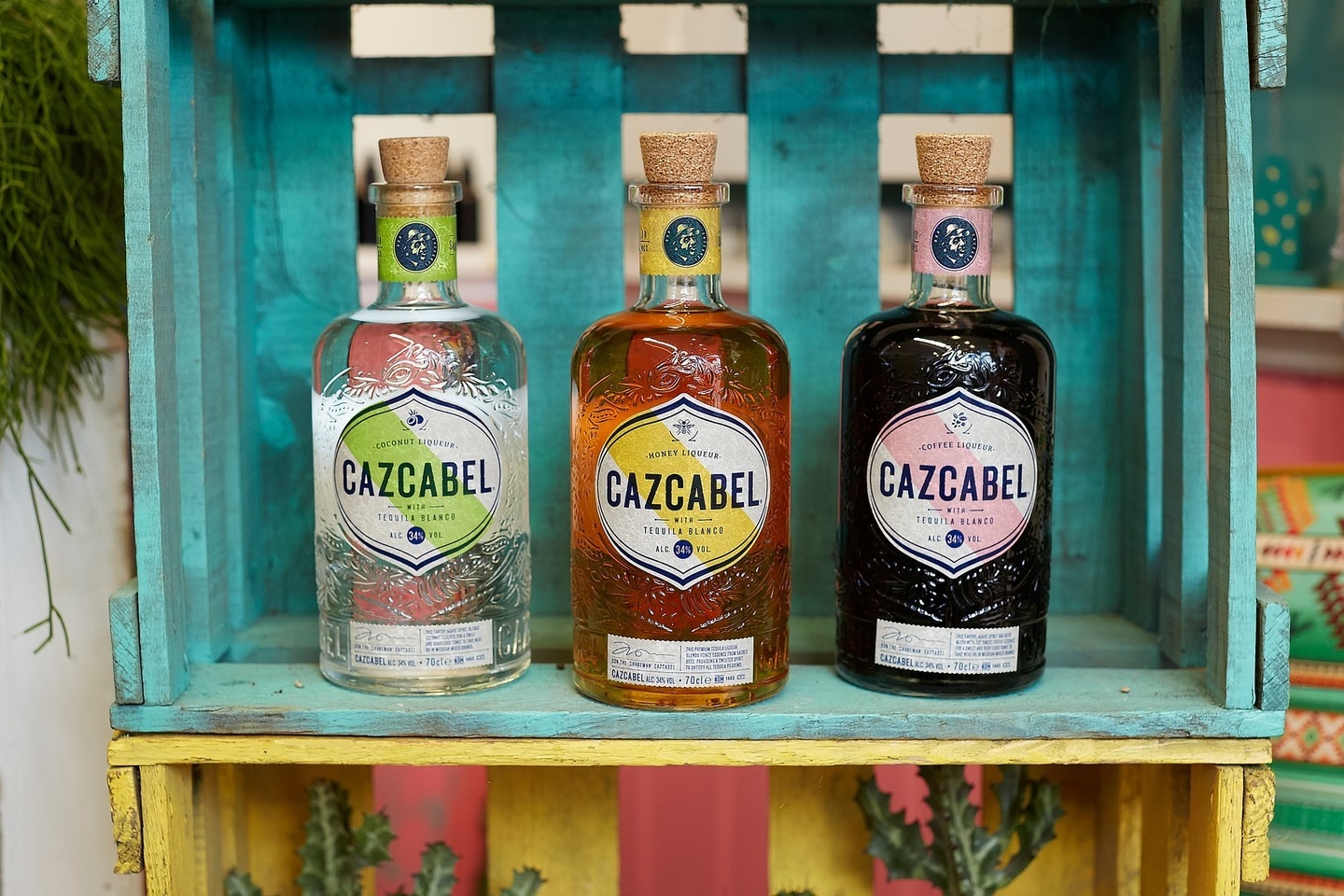
Cazcabel – Coconut, ABV. 36%
Some of the country's best coconuts grow around Atotonilco el Alto and several other places in the Jalisco region, and that obviously has to be put to use. The result is an award-winning coconut liqueur with a sweet nose of both fresh coconut and agave plus a rich, sweet palate with a soft, pleasant finish. You can enjoy it as it is, or use it instead of ordinary tequila in your next margarita. If you fancy experimenting, you can do as I did and use it as an ingredient in the finest coconut macaroons, and if the Danish importer is up for the idea, you can find the recipe, along with the two that follow, in the next and last edition of Mad med Promiller.
Cazcabel – Coffee, ABV. 36%
Here again they have chosen to use some of the country's natural riches, namely an arabica coffee harvested right down in the south-western corner of the country in the Soconusco region, with the Pacific to the west and Guatemala to the south. The area is also known for its excellent cacao, and I have a feeling Cazcabel has added a little of that to their successful coffee liqueur too. The nose is certainly full of both good coffee and chocolate along with, of course, baked agave, all of which carry on into the flavour alongside a little vanilla. You can enjoy it as it is, use it in your cold espresso martini, or do as I did and prepare a tequila tiramisu that reaches entirely new heights.
Cazcabel – Honey, ABV. 36%
This last hybrid sister is packed with honey and nectar, again with Blanco tequila as the base. The nose radiates natural honey and sweetness, the palate is warm and rich in honey and baked agave with a touch of vanilla, and the finish delivers good caramel with smoky notes. Enjoy it as it is with a lump of ice on a warm day, or make yourself a Mexican mojito topped up with a little Cazcabel Blanco for strength.
It inspired me to use it in one of my absolute favourites from the Mexican kitchen, where I marinated pork with Cazcabel Honey, annatto seed, lemon, orange and plenty of other spices before slow-baking it at low temperature for four hours. In the film Once Upon a Time in Mexico, Johnny Depp plays a CIA agent who is also obsessed with puerco pibil, and his mission is to find the absolutely perfect and ultimate preparation and then shoot the cook. Mine turned out really well too, but I am still alive.
See the 4 best cocktail recipes with Cazcabel here
Fancy reading more about tequila?
Then read the review of tequila or margarita sorbet by blogger Jan Ohrt.