The good people at
Balvenie and
Glenmorangie are welcome to argue over who thought of it first, but both were there at the beginning and both helped spread the idea. The Balvenie Classic arrived in the 1980s: a malt without an age statement, matured first in American barrels and then for a period in European oak that had previously held sherry. The label said nothing about a "Sherry Finish". In 1993 came The Balvenie Doublewood.
Glenmorangie has worked with wood finishes since 1994, when the first Port Wood Finish reached the market. But as far back as 1987 the distillery released a Vintage 1963 that had spent its first 23 years in classic bourbon barrels and a further 18 months in sherry casks. Many regard that bottling as the first commercial wood finish.
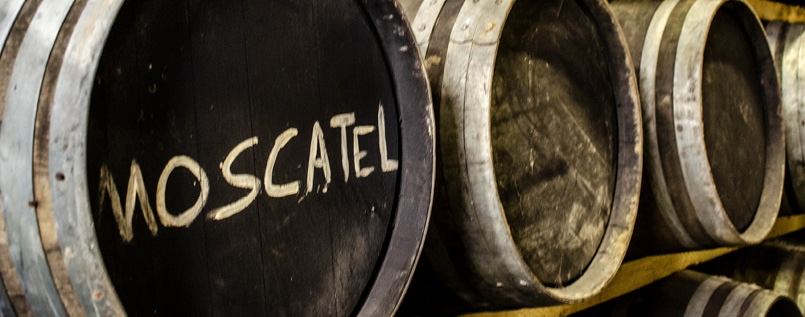
Glenmorangie and Balvenie had opened a door, and once other producers saw what wood finishing did to aroma - and how warmly customers received the results - the experiments began in earnest. Everything was tried. Cognac casks, armagnac casks, rum casks, casks from wine producers in Champagne, Bordeaux and Burgundy. Even Italian wine houses found themselves shipping Amarone and Barolo casks to Scotland so someone could see what they did to the spirit.
Casks from other Scottish distilleries were explored too - Speyside whisky filled into wood that had previously held Islay malt, for example. Through the 1990s the experiments spread like wildfire from the distillers to the independent bottlers. Everyone wanted in, and everyone wanted their own personal stamp on the idea. Plenty of remarkable bottlings appeared in which the cask's origin and previous contents were pushed harder than the whisky itself. Famous wine producers and chateaux were promoted on labels to the point where a drinker might reasonably wonder whether they had bought a bottle of whisky or a bottle of red wine with whisky in it.
By the late 2000s The Scotch Whisky Association had seen enough. As the industry body representing more than 95% of the trade, it issued guidance on which casks could be used going forward. Anything not considered a traditional whisky cask was ruled out, with particular attention on casks that contributed excessive colour, aroma and other flavour components. Labelling rules were tightened at the same time - partly to stop other wine and spirits producers' names being borrowed by the whisky industry, and partly to make clear to drinkers that what they were buying was whisky, not whisky with flavour enhancers added. Chateau names such as Chateau Margaux could no longer be used, and bottlings from the wildest years suddenly became very valuable to collectors.
It is hard to argue that Scotch came off worse for the traditionalists winning that particular round.
You will also run into terms like Double Cask, Double Matured or Triple Matured. These usually mean the whisky spent time in two, three or more different cask types. That does not necessarily mean it sat in one cask and was later moved to another. Just as often it means whiskies from two different cask types were blended together before bottling.